
Is it safe? How HazzaHub checks every Hopper
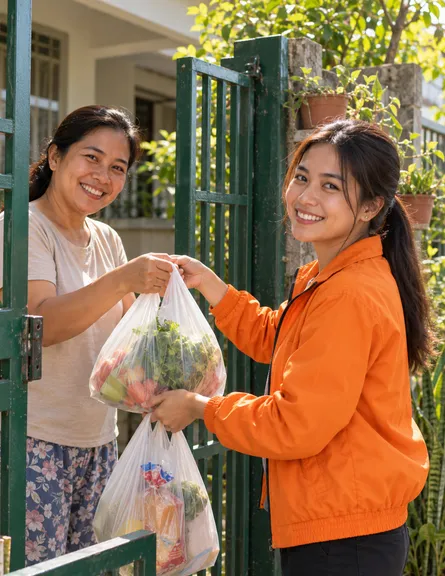
Handing an errand to a stranger sounds risky. Here is exactly what makes it safe — including the one thing (a gate code) that a scammer simply cannot fake.
Bisaya: Luwas ba? Ang matag Hopper gisusi sa HazzaHub.
Tagalog: Ligtas ba? Sinusuri ng HazzaHub ang bawat Hopper.
The red flags of an errand scam
Wherever you arrange help — an app, a Facebook group, a text — the warning signs are the same: someone asks you to pay a fee “to apply” or “to release” something, pushes you to pay outside the app, asks for your OTP or PIN, or will not be properly identified. A legitimate errand needs none of those. Knowing these red flags protects you everywhere, not only here.

Every Hopper is ID-checked
Before anyone can take an errand, they pass an ID check with a liveness selfie. Risky repairs need a trade certificate.
Customers are verified too
Until a customer is verified, they can only pay by E-wallet or HazzaHub balance, up to ₱500.
Your money is held
When you pay by E-wallet, the money is held until the task is done. Your Hopper is paid only when you give the gate code at handover.
During the errand
Follow your Hopper on a live map, chat inside the app, and use the SOS button if anything feels wrong.
Rules everyone agrees to
Before posting or accepting, both sides tick short rules for that kind of task, and HazzaHub keeps the time and the exact words.
More: Questions and answers
Become a Hopper: earn doing errands in your barangay
More on the blog
Pabili meaning: in English, Bisaya, Cebuano, Tagalog and Ilonggo
How to pay your electric or water bill without lining up
Someone to line up for you: how pila service works
Padala service: send a parcel or pick up a package the same day (hatod, padala)
How to become a Hopper and earn from errands near you
GCash, Maya and QR Ph explained — and how to pay for an errand
Errands for OFW families: help your parents at home from abroad
Padala meaning: in English, Bisaya, Cebuano, Tagalog and Ilonggo
Hatod meaning: in English, Bisaya, Cebuano, Tagalog and Ilonggo
Pakuha meaning: in English, Bisaya, Cebuano, Tagalog and Ilonggo
Palit and pabakal meaning: buy, in Bisaya, Cebuano, Ilonggo and Tagalog
Sugo meaning: in English, Bisaya, Cebuano, Tagalog and Ilonggo
Sundo and pasundo meaning: fetch a person, in English, Tagalog, Bisaya and Ilonggo
Pakisuyo meaning: in English, Tagalog, Bisaya, Cebuano and Ilonggo
Abono meaning: advance the cash, in English, Tagalog, Bisaya and Ilonggo
Pera padala vs padala: sending money or sending a thing — what HazzaHub does
What is an errand app? Errand apps in the Philippines, explained
Pasalubong meaning: in English, Tagalog, Bisaya, Cebuano and Ilonggo
Noche Buena checklist: a pabili list for the Christmas Eve table
Send a padala before Christmas: beat the courier rush with same-day delivery
What is a palengke? The Filipino wet market, and how to shop it without going
What is a sari-sari store? The neighbourhood store, and sending someone to buy
How to get an NBI clearance in the Philippines (and skip the line)
How to get a Philippine passport (DFA): appointment, requirements and the line
LTO errands: driver’s licence and vehicle registration without the long wait
How to get a PSA birth certificate (without lining up)